


Living in a place with warm weather, sometimes you just can’t get rid of sweat and armpit stains. It can even affect your social life if you’re not very careful with it. But this does not mean you have to live with it for the rest of your life. The best way to beat it? Prevent it from happening. Here’s how:
1. Wear Undershirts
To prevent armpit stains, you can opt to wear undershirts before putting on your favorite dress or polo. It definitely won’t help you feel cooler, but adding an extra layer of fabric between it can help reduce stains. You can either choose a cheap undershirt or be smart by purchasing a shirt made primarily to prevent armpit stains. These shirts are usually made of light fabric or bamboo fabric.
If you feel a little bulky with the layering of shirts, you can choose to buy armpit pads that are designed to absorb your sweat before it seeps through your shirts.
2. Shave Your Pits
Armpit hair serves as a trap for moisture from your armpit. This means more hair results in increased moisture. Above all that, you can develop body odor from this moisture from the accumulation of the bacteria.
3. Apply Deodorant Properly
When we are in a rush, we tend to wear our clothes immediately after applying deodorant. This is a mistake we commonly make. In fact, there’s no evidence that applying excessive deodorant will keep you smell fresh longer. Using your deodorant liberally can even result in more product seeping through your clothes! The trick is to apply a single layer, let it dry, then wear your clothes. It’s a good practice to apply your deodorant at night before you sleep to give time for the product to be absorbed.
4. Wash Your Shirt
As soon as you see a stain on your shirt, wash it as soon as possible before it sets in. It could get harder to remove once it’s been dry for a long time. If it sets in, you would have to use bleach, which could destroy your clothes’ fabric.
5. Stop Using Antiperspirants
The chemical reaction between minerals in our sweat and the aluminum found in antiperspirants results in the yellow discoloration on your undershirt. Consider switching to non-aluminum deodorant to help reduce these stains.
Still can’t control these nasty stains? Try these tips to hide it instead:
- Use dark colored shirts instead. Black and navy blue shirts hide stains well.
- Wear cotton, bamboo, or linen shirts instead of the ones made of polyester and rayon. These synthetic fabrics cannot absorb your sweat effectively.
- Choose loose clothing or clothes with huge arm holes. This way, you’re allowing air to flow to your armpits freely.


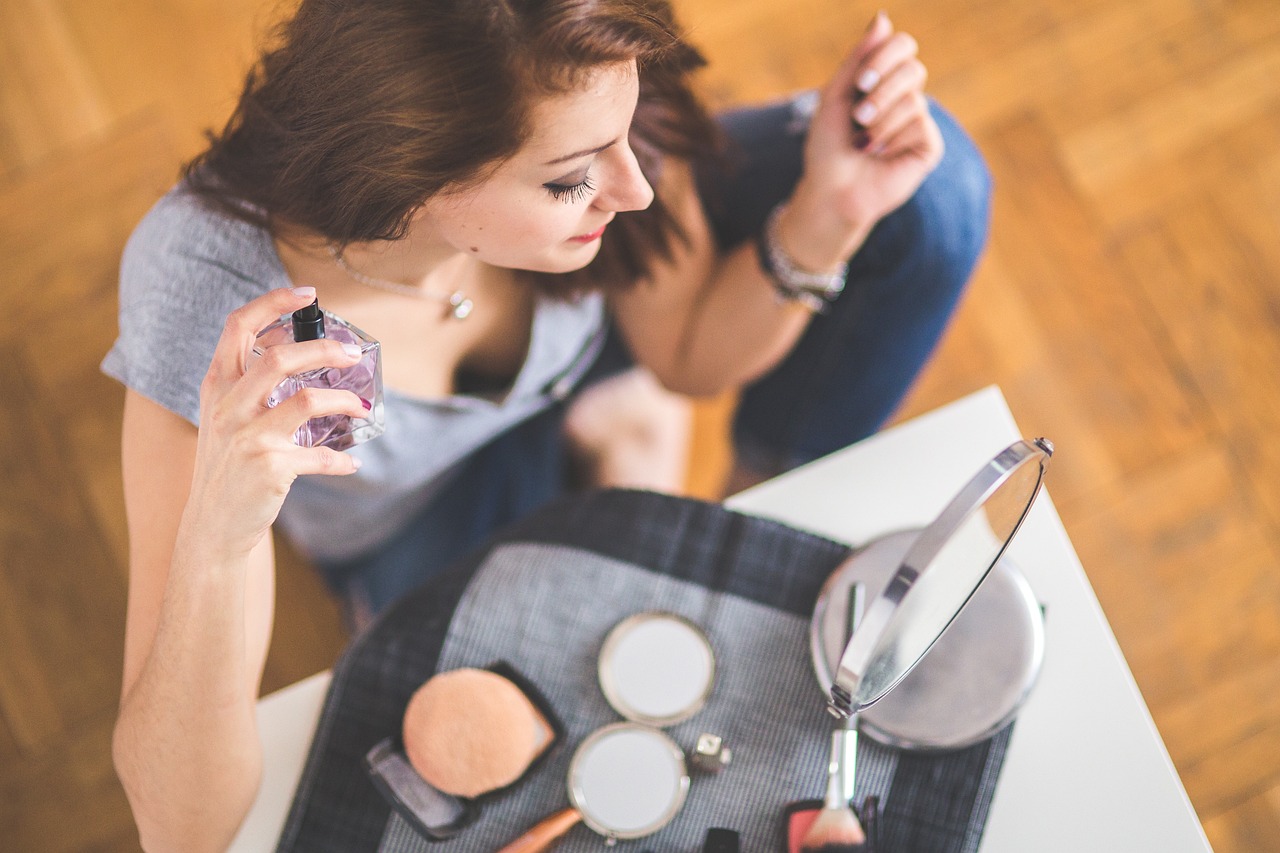

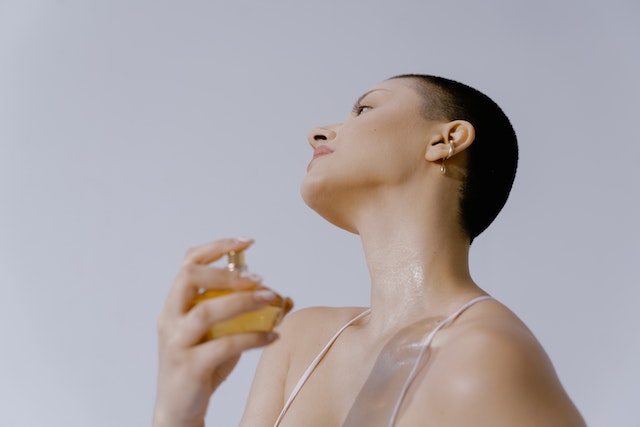
 Layering your fragrance with other scented items like body wash, lotion, and hair styling products can help it last longer. These products have similar notes to the perfume and can work together to create a more long-lasting scent. Additionally, layering your fragrance over different types of products will create a unique scent that is unique to you. These five simple hacks can help your perfume last longer and make you smell amazing all day long. By applying your fragrance after showering, using unscented lotions or oils before spraying on your perfume, spraying lightly and evenly, and layering with other scented products, you’ll be able to enjoy the scent of your favorite fragrances for longer.