
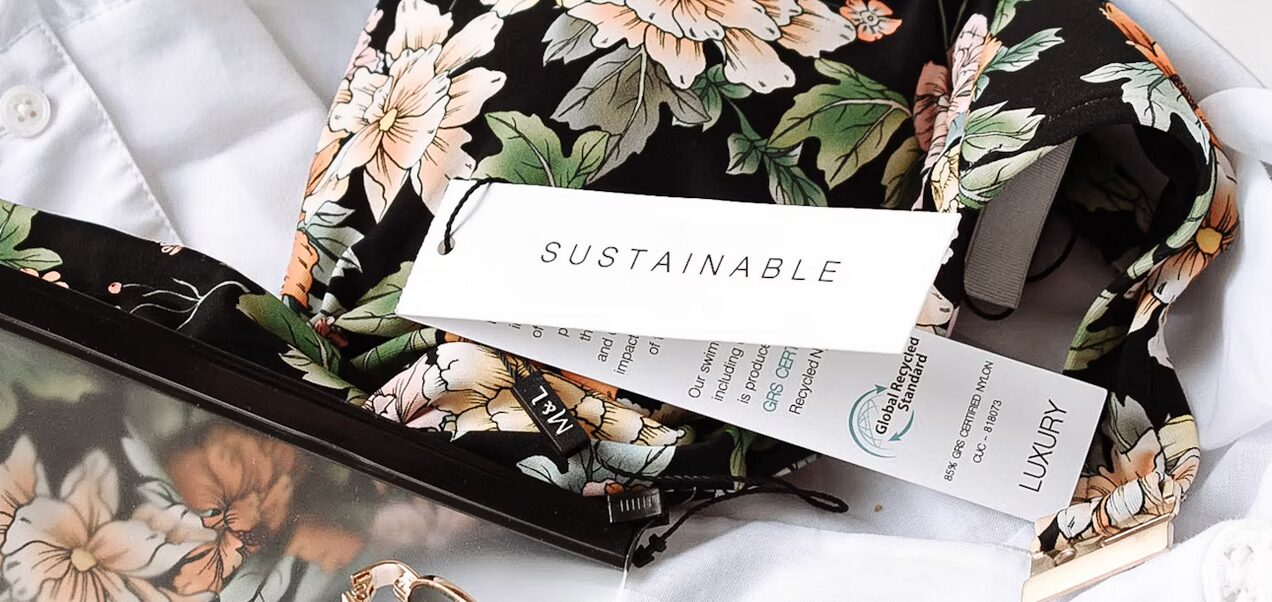
Sustainability is reshaping the fashion industry, inspiring designers and consumers alike to prioritize eco-conscious choices. From recycled fabrics to plant-based materials, the shift toward greener alternatives is more than a fad—it’s a lifestyle change. Among these innovations, backpacks made from hemp have stepped into the spotlight for their comfort, durability, and minimal environmental footprint. This versatile material not only supports sustainable farming practices but also offers timeless style. As more brands embrace eco-friendly designs, these trends are setting the stage for a future where fashion and environmental responsibility go hand in hand.
Organic and Natural Fabrics
Organic cotton, hemp, bamboo, and linen are becoming the go-to fabrics for eco-conscious shoppers. These materials grow without harmful chemicals, pesticides, or synthetic fertilizers, which helps preserve soil and protect ecosystems. Clothing made from these fibers is comfortable, breathable, and long-lasting. People are realizing that wearing natural fabrics not only feels good but also supports responsible farming practices. The rise of these materials marks a turning point where quality, comfort, and ethics can exist together in one garment.
Upcycled and Recycled Materials
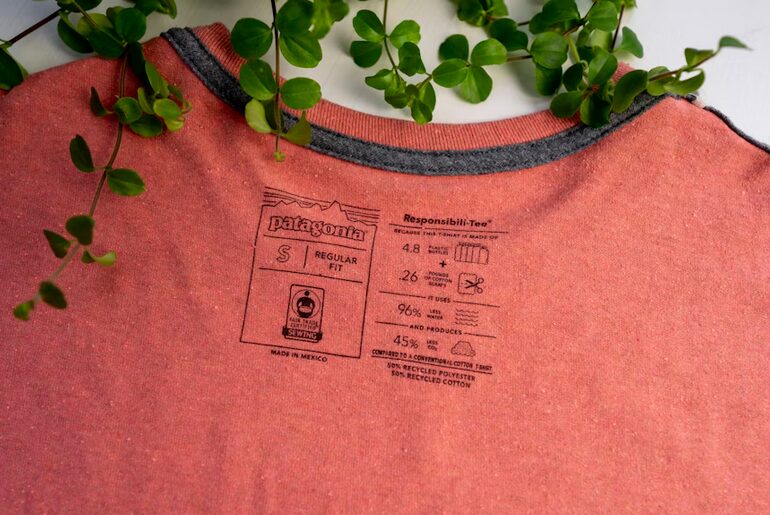
One of the strongest movements in modern fashion is the use of upcycled and recycled materials. Many brands now turn discarded fabrics, leftover textiles, and even plastic waste into new and trendy outfits. Upcycling gives old items a fresh start while preventing unnecessary waste. Recycled polyester, repurposed denim, and other reimagined materials are quickly becoming industry favorites. This creative approach proves that sustainability and innovation can work hand in hand, turning yesterday’s waste into today’s fashion statement.
Secondhand and Vintage Revival
Shopping secondhand has become both trendy and sustainable. Thrift stores, online resale platforms, and vintage boutiques are now key parts of the fashion economy. Buying pre-loved clothing keeps items out of landfills and gives them a new story to tell. Vintage styles also add a unique charm that fast fashion cannot replicate. Many people mix vintage pieces with modern designs to create looks that are both personal and environmentally responsible. This trend proves that sustainability and creativity go perfectly together.
Slow Fashion and Minimalism
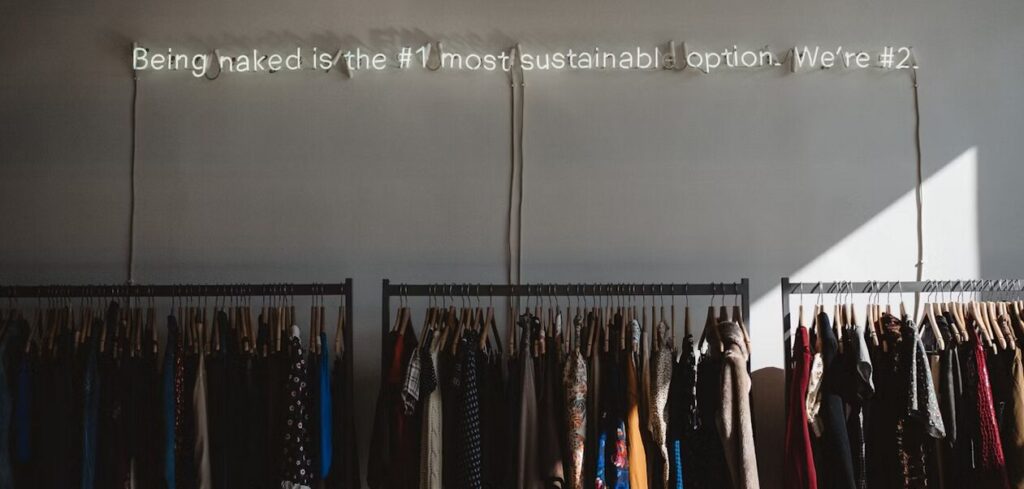
The slow fashion movement is gaining serious momentum as consumers move away from fast fashion culture. Instead of buying cheap items that wear out quickly, people are investing in pieces that last for years. Slow fashion promotes thoughtful purchasing, quality craftsmanship, and timeless design. Minimalist wardrobes are becoming popular because they focus on versatility rather than quantity. This approach helps reduce textile waste and encourages people to appreciate what they already own. It transforms fashion from something disposable into something meaningful.
Technology and Sustainability
Technology is changing how clothing is made and how waste is managed. Fashion brands now use digital tools to cut patterns more efficiently, reducing leftover fabric. Some are experimenting with 3D printing to create made-to-order pieces that eliminate overproduction. Others use data to track supply chains and ensure ethical sourcing. These innovations make fashion smarter and more transparent, helping consumers understand exactly where their clothes come from. Technology is no longer the enemy of nature; it is becoming one of its strongest allies.
Eco-friendly fashion has become a powerful movement that blends creativity, responsibility, and modern design. From upcycled materials to natural fabrics and digital innovation, the industry is learning to respect the planet while serving style. Consumers now understand that every clothing choice has an impact. By supporting sustainable practices, anyone can help reduce waste and inspire positive change. The future of fashion looks bright, thoughtful, and conscious of its footprint. Being stylish has never felt this responsible.…